Introduction
Open ceiling offices look stylish and give a feeling of openness. Large spaces, exposed steel beams, pipes, and concrete make them feel big and modern. But all that openness comes at a cost. They carry sound in ways most people don't expect. Conversations spread, background noise builds, and the space gets louder as the day goes on.
This type of layout often lets sound travel freely. Without proper ceiling soundproofing panels or well-placed treatment, even small teams can feel like they're working in a noisy warehouse. That makes it hard to concentrate, run meetings, or even take phone calls in peace. To make these offices work well, we need the right sound control using acoustic foam and office acoustic panels.
The Challenge With Open Ceiling Office Designs
Open plan offices often skip the traditional ceiling tiles that used to absorb sound and instead leave everything exposed. Pipes, vents, and bare structures may look good, but they echo conversations and add to the noise problem.
The layout gives sound more room to move. With fewer walls and more shared surfaces, there's nowhere for the sound to go. It bounces, spreads, and gets into every bit of the space.
At the same time, the way we use these offices doesn't help. People talking across desks, using phones, or walking through shared areas all add to the sound. By midday, the room can start to feel overwhelming. These problems aren't about how loud people speak, but how open the space is.
How Sound Travels in an Exposed Interior Space
In a room with lots of hard surfaces, sound waves bounce again and again before they fade. In a typical open ceiling office, we're dealing with concrete ceilings, large windows, and very little padding. Even with carpeting, the ceiling and upper walls do the most to control noise.
If those parts are untreated, voices reflect far and stay loud longer. Even simple tasks like typing or clicking can start to build up. By afternoon, the space might feel like it's full of chatter even if no one is talking much.
The problem worsens with high ceilings. Sounds have more room to climb and bounce back down from angles that are hard to predict. Without anything soft to catch the sound, everything stays noisy and tiring.
Different Types of Acoustic Panels and Where to Place Them
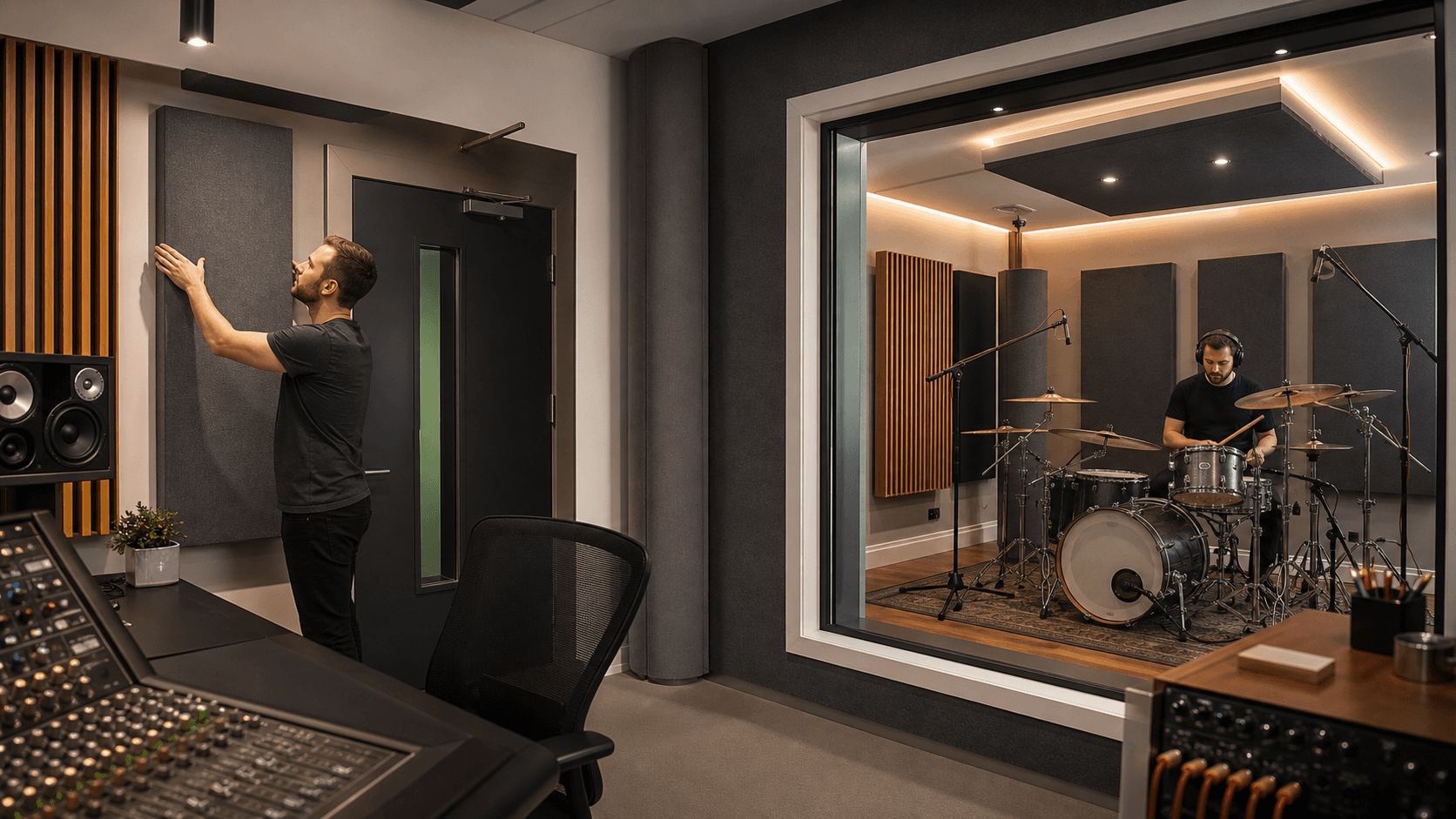
There's more than one way to fix this. Acoustic foam is often the first step and does well when installed up high. Ceiling-mounted acoustic foam panels help absorb sound before it spreads too far. That keeps things clearer and more comfortable.
Suspended ceiling baffles are useful in taller rooms. They hang below pipes and ducts to stop sound in open air. These panels are good when you want to keep that open look but still need control over noise levels.
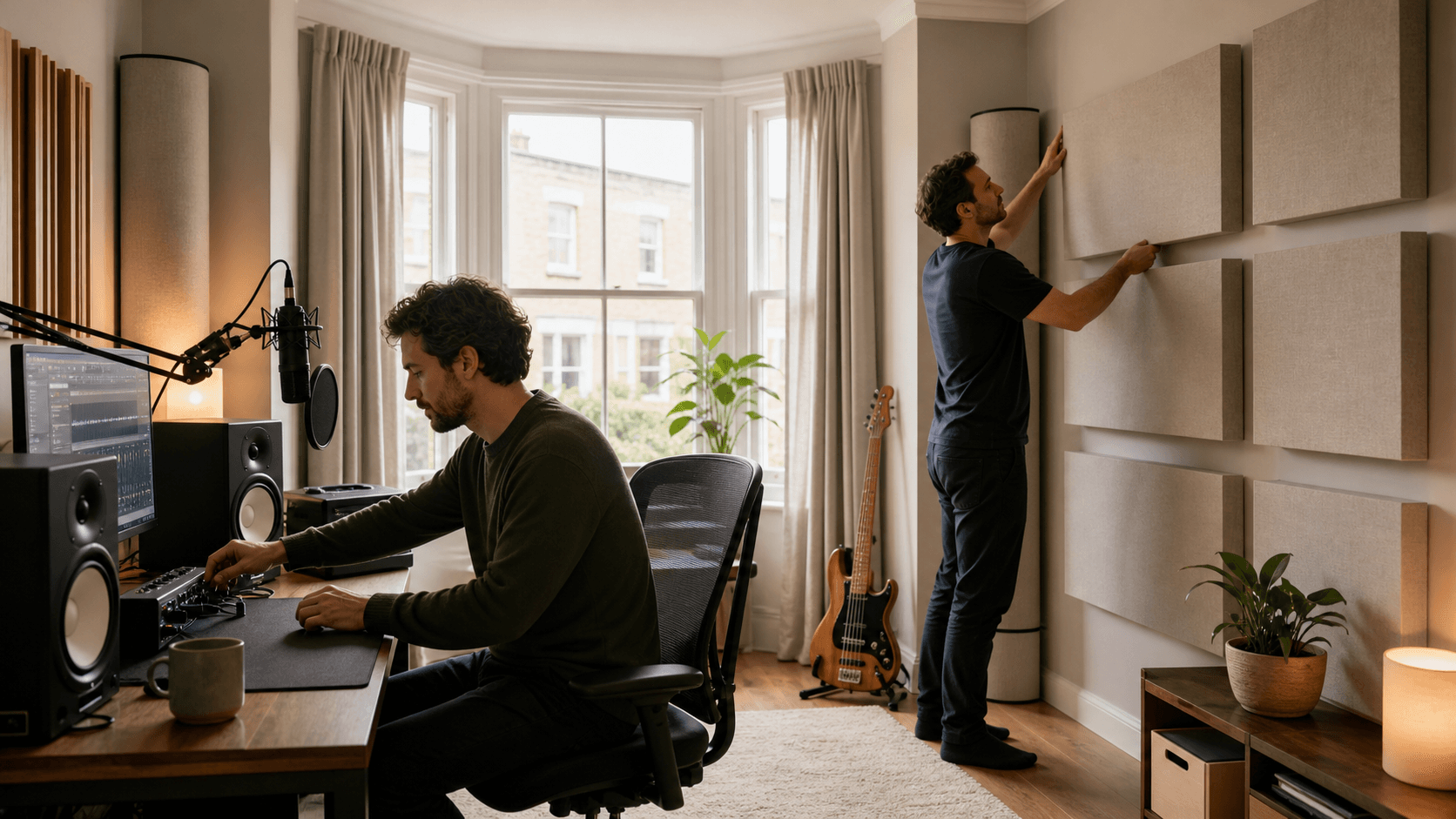
Wall-mounted office acoustic panels also help. These are added to flat wall spaces to absorb sound once it has travelled away from the source. They're best used alongside ceiling solutions, giving the sound fewer hard surfaces to bounce off. The trick is picking the right mix based on the space, how people work, and what the room sounds like throughout the day.
Benefits of Installing Ceiling Soundproofing Panels in Offices
Soundproofing isn't just about lowering volume. It's about creating a space where people can think, talk, and focus. Ceiling soundproofing panels make a big difference in open offices. They don't remove noise, but they stop it from carrying.
Here's what that looks like in practice:
- Team members can focus better without getting distracted by distant chat
- Meetings and video calls feel less stressful with clearer speech
- People speak more softly when sound doesn't echo back at them
- The whole room feels calmer, even when it's full
It all adds up to a better working environment without changing how the space looks too much.
When Offices Should Get Professional Sound Advice
There are a few signs that suggest it's time to think more seriously about sound. Maybe the office has always been noisy, but it's harder to ignore now. Or maybe the team recently moved into a space with high ceilings and didn't realise how much the layout would affect sound.
Some common situations to watch for include:
- Lots of comments about how loud the office feels
- Struggling to hear on phone calls or during video chats
- People avoiding meetings because the space feels too distracting
- Planning a renovation and want sound to be better from the start
Trying to handle it with furniture or rugs won't work for long. Sound treatment works best when it's matched to the size, shape, and use of the room. That's why getting some advice up front can save both time and frustration later.
Quiet Spaces Make Productive Teams
Open ceiling offices don't have to stay noisy. With the right acoustic foam and office panels in place, we can keep the look while cutting back the noise. When sound gets handled properly, the shift is clear. Work feels smoother, and the room becomes a place where people can focus again.
There's no single fix that works for every office. But when we take the time to look at how sound moves through our space and use acoustic panels in the right way, we turn a noisy layout into something much better to work in. The design stays open. The sound doesn't. That balance goes a long way toward building a space where ideas (not noise) move freely.
Open ceiling noise causing distractions at work might be a sign that it's time to reexamine how sound moves through your space. We at Advanced Acoustics UK design acoustic solutions that work with modern layouts and help reduce disruptive reflections and background noise. Discover how our ceiling soundproofing panels can restore balance to your office environment, and if you have any questions or need advice, our team is here to help.