Calm, Connected Workspaces That Support Hybrid Teams
Hybrid work has pushed offices to do more than just hold desks. They now have to support people who drop in a few days a week, run back-to-back video calls, and still need quiet time to focus. Acoustic wall panels can play a big part in making that work.
In many open offices, noise has become the main complaint. You get people chatting near hot desks, someone taking a call in the middle of the room, and several meetings happening online at once. The sound bounces around hard surfaces and leaves everyone tired and distracted. Thoughtful use of acoustic wall panels helps calm that chaos. They soak up echo, make speech easier to understand, and do it in a way that looks smart and modern.
As a UK manufacturer of acoustic treatment and soundproofing products, we spend a lot of time helping teams balance comfort, focus, and style. Many businesses use the quieter summer period to plan office changes so they are ready for a busy autumn. That is a great time to think about how sound works in your space and how the right panels can support your hybrid set-up.
How Hybrid Work Is Changing Office Acoustics
Hybrid work patterns have changed the sound of the office. On some days only a few people are in, and the space feels calm. On peak days it can be very different. You may have:
- Overlapping video calls in the same open area
- Ad-hoc chats in breakout corners
- People moving between hot desks and shared tables
- Mixed use of small rooms for calls, one-to-ones, and focus work
On top of this, many modern offices are built with exposed ceilings, glass partitions, polished floors, and sleek, minimal furniture. These surfaces all reflect sound. When voices bounce around like this, reverberation builds up and speech becomes muddy. People start to raise their voices to be heard, which only feeds the problem.
Poor acoustics can lead to:
- Less concentration and more mistakes
- Meeting and call fatigue
- Misheard points on hybrid calls
- Lower satisfaction and more grumbles about the office
Summer and early autumn are popular times to tackle this. The weather is warmer, people take holidays, and it is often easier to close off parts of the office for work before the year-end rush. Planning acoustic wall panels into that refresh makes a big difference to how the office feels for the rest of the year.
Key Considerations When Selecting Acoustic Wall Panels
When we talk about acoustic wall panels, performance should always come first. In simple terms, there are two main things happening with sound in a room: absorption and reflection.
- Absorption is when a surface soaks up sound energy
- Reflection is when sound bounces back into the space
- Reverberation time is how long sound hangs in the air
- Speech clarity is how easy it is to understand what someone says
Good acoustic wall panels absorb sound, which reduces echo and improves clarity. When you look at product data, it often shows how much sound is absorbed at different frequencies. You do not need to be an expert, but it helps to know that higher absorption generally means better control of echo.
The purpose of each room also matters:
- Open-plan zones often need broad coverage on walls to keep general noise down
- Focus rooms benefit from targeted treatment near desks and along side walls
- Meeting rooms and call booths need careful control around where people sit and where mics are placed
- Client-facing areas call for a balance between performance and appearance
Practical details are just as important. In busy corridors or shared spaces, panels need to be durable, easy to wipe clean, and suitable for high-traffic areas. It is also sensible to check fire ratings to make sure the products fit building and safety requirements.
Many teams now care about sustainability and wellness too. Acoustic wall panels made from eco-conscious materials and low VOC finishes help support better indoor air quality. They also cut down on harsh reflections, which can make a space feel calmer and less tiring on the ears and mind.
Matching Acoustic Wall Panels to Hybrid Work Zones
Each part of a hybrid office has its own sound story, so we match panels to the way that zone gets used.
In collaboration areas, like project corners or team huddle spots, you often have several people speaking at once. Thicker or higher performance panels on the nearby walls help to:
- Reduce echo so speech stays clear
- Stop sound spilling too far into quieter parts of the floor
- Keep group energy without that harsh, shouty feel
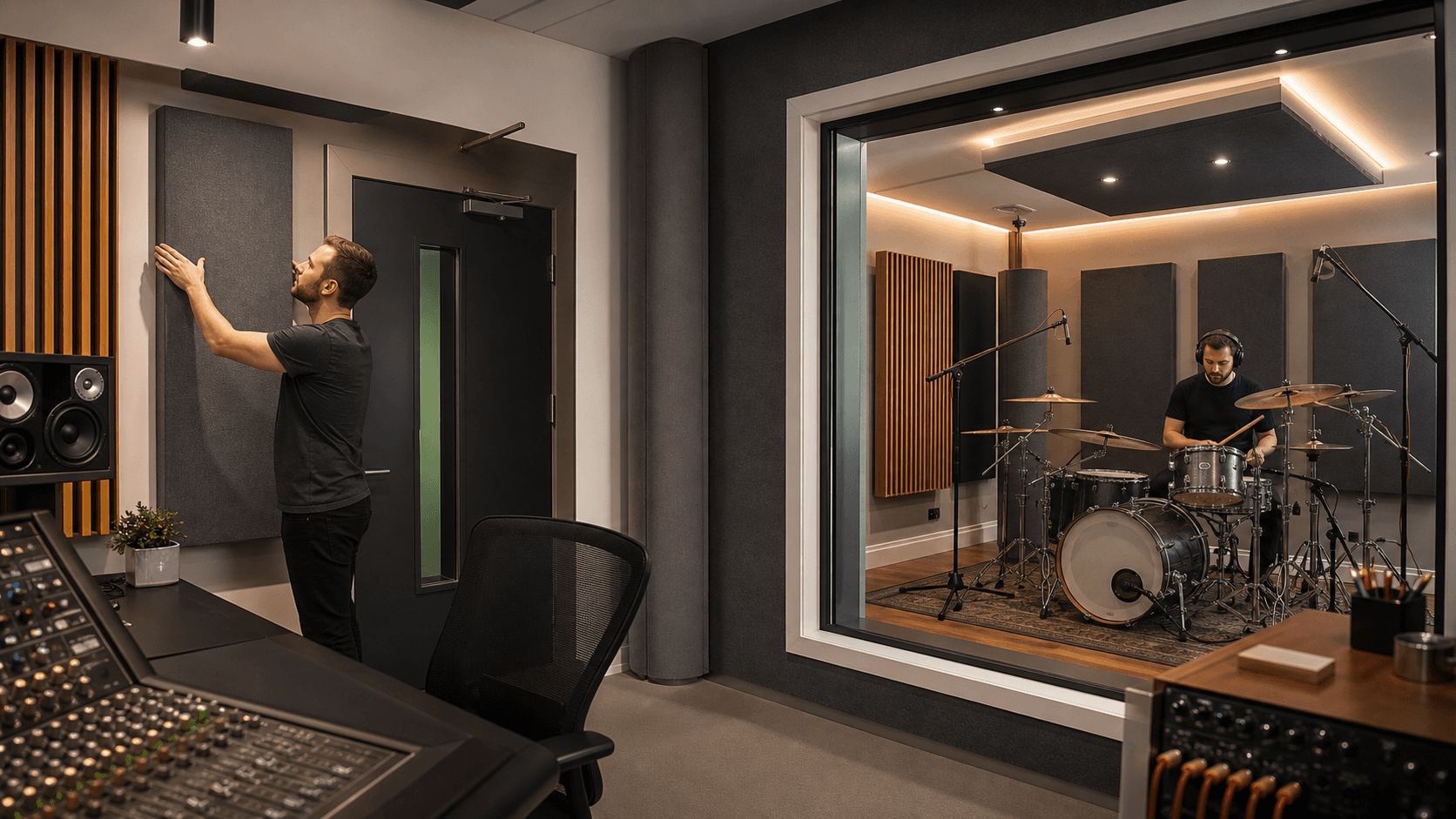
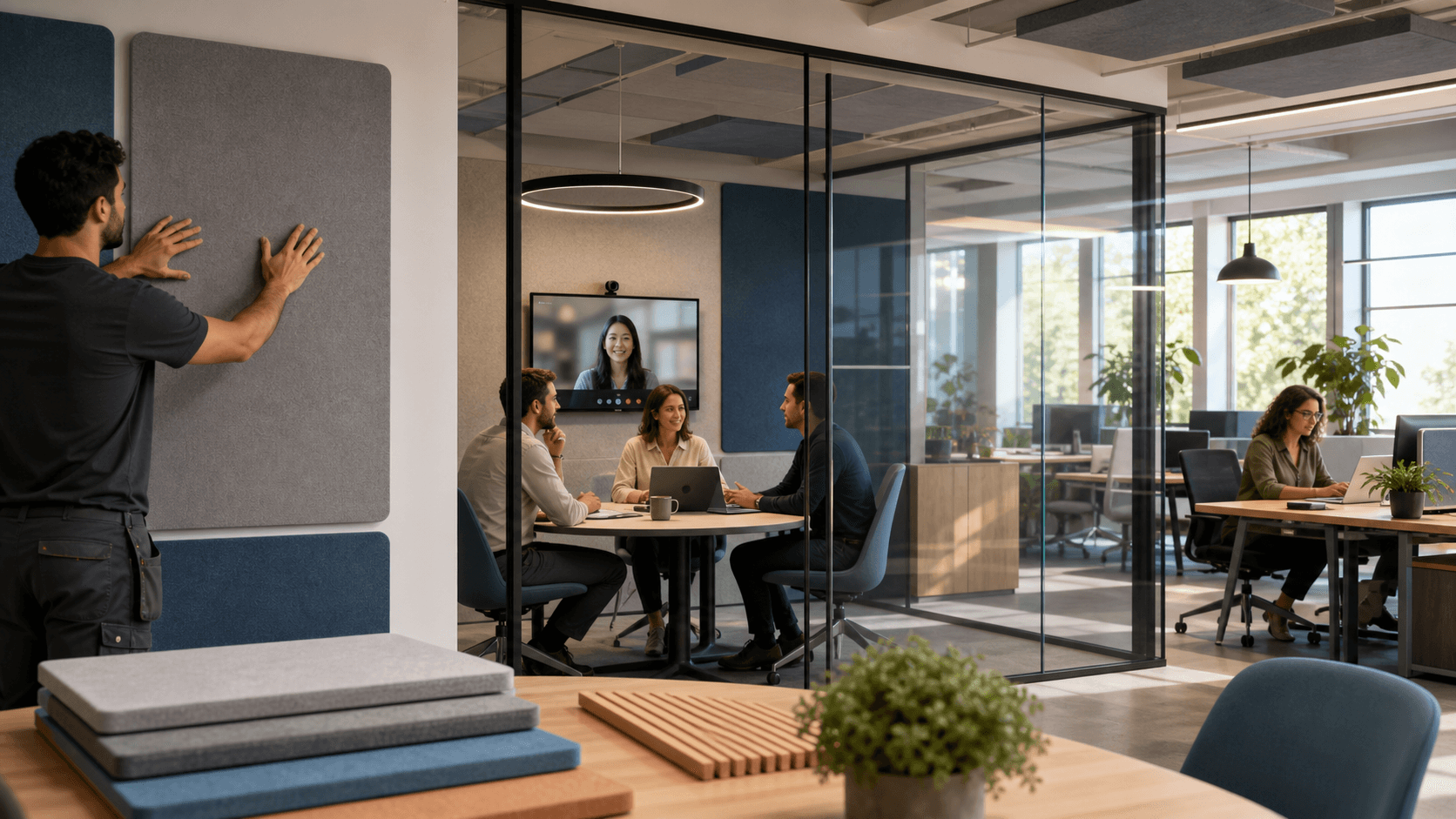
Meeting rooms and video call booths are all about control. You want people in the room and those joining online to hear each other clearly. Panels placed on walls opposite each other, and around screens or microphones, break up strong reflections. This means voices sound more natural and less like they are coming from a tunnel.
Quiet focus zones need protection from distraction. Placing acoustic wall panels:
- Near shared printers and copy points
- Along main walkways next to desks
- Around the edges of open focus bays
helps catch passing noise and gives people a better chance to concentrate.
Shared spaces like receptions, kitchenettes, and social areas should feel lively but not overwhelming. Careful treatment on selected walls helps keep these spots warm and welcoming while stopping sound flooding into nearby workstations. In UK offices, where rainy days often drive more chatty indoor breaks, this balance can be especially helpful.
Design, Branding, and Flexibility for Modern Offices
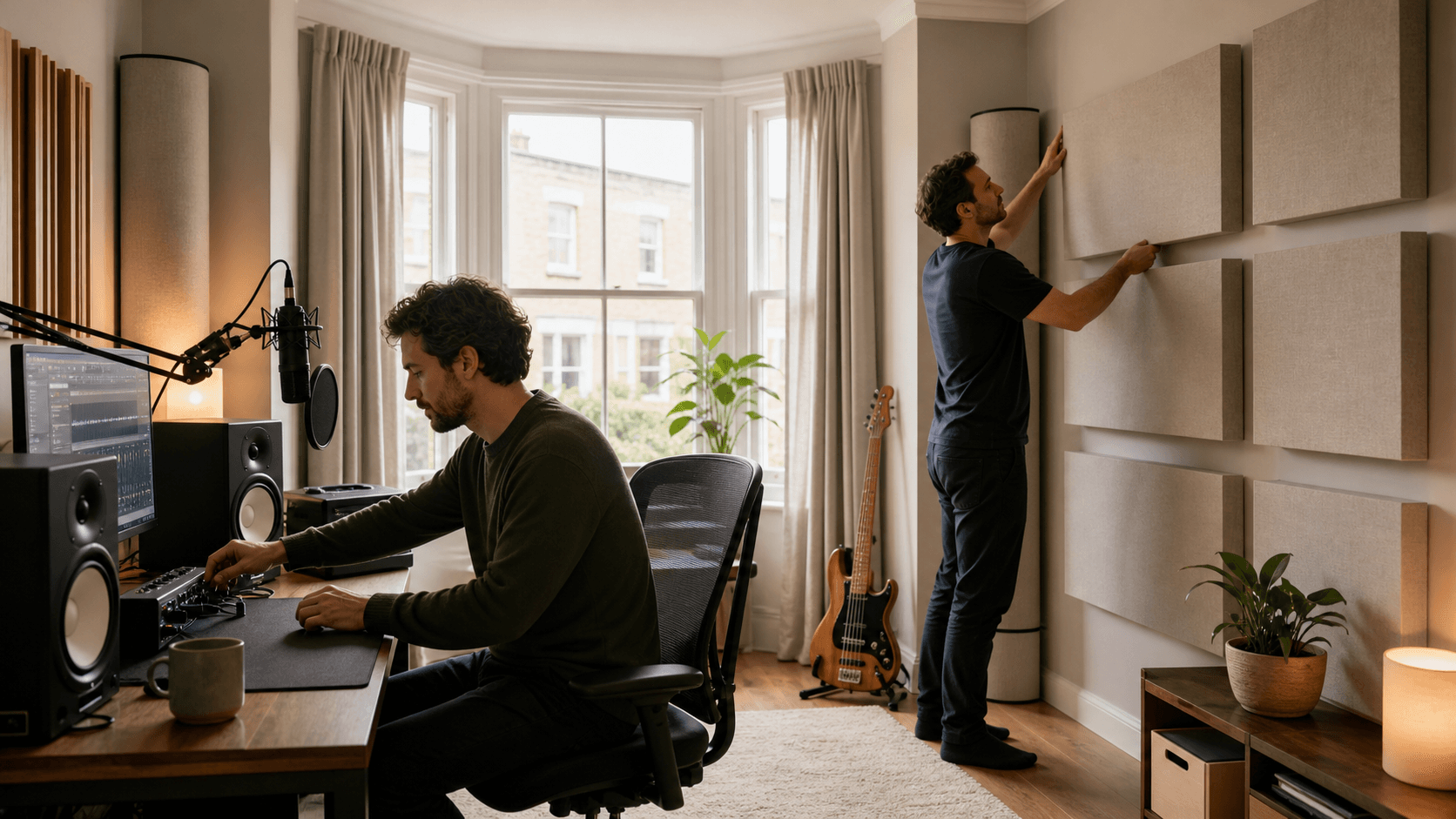
Good acoustics should not come at the expense of style. Acoustic wall panels now come in a wide mix of colours, textures, and shapes. They can soften sharp, glass-and-steel interiors or add structure and rhythm to plainer walls.
You can use panels to:
- Echo brand colours without being too bold
- Add texture, like subtle ribbed or patterned surfaces
- Break up large empty walls into calmer zones
Panels also offer a chance to support brand identity. Feature walls, custom colours, or printed finishes can bring logos, patterns, or simple graphic elements into the room. Done well, this keeps the space on-brand while still giving you measurable acoustic performance.
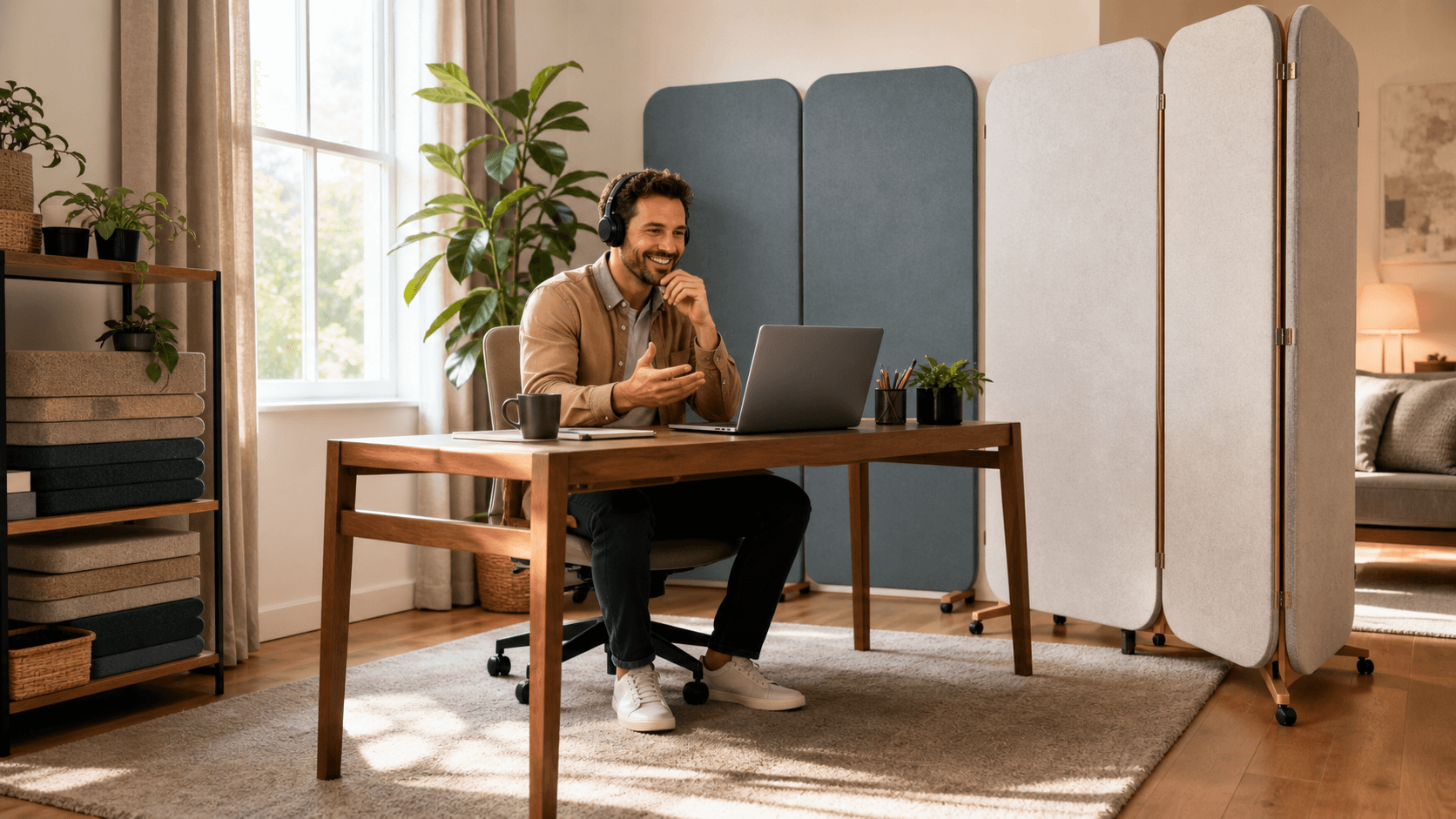
Flexibility is another key point for hybrid offices. Layouts change, furniture moves, and teams grow. Modular panel systems, or panels that can be relocated without too much fuss, help future-proof the space. They also work well around sit-stand desks and movable furniture, as you can shift acoustic support to match new desk clusters or meeting spots.
Colour choices can support the way a space feels across the seasons. Lighter, fresher tones are great for summer and keep things from feeling heavy in bright light. Warmer shades and richer textures help the office feel cosy when darker evenings and wet, chilly days roll in.
Planning Your Acoustic Upgrade with Confidence
A good acoustic upgrade does not need to be complicated. A simple starting process might include:
- Walking the office and noting where noise problems show up most
- Talking to staff about where they struggle with calls or focus
- Ranking rooms and zones in order of impact on day-to-day work
- Setting clear goals, like better call quality, calmer focus areas, or quieter corridors
Once you have that picture, you can start to map where acoustic wall panels will make the biggest difference. Sometimes a few well-placed panels in the right location work better than trying to cover every spare piece of wall.
There are times when bringing in specialists is very helpful. Acoustic experts can look at room shapes, surfaces, and usage to suggest specific panel types, thicknesses, and layouts. For UK offices, they can also factor in common building styles and materials so you get realistic performance improvements without overdoing it.
As a manufacturer and supplier of acoustic treatment and soundproofing products, we at Advanced Acoustics are used to helping teams through these choices. Hybrid work is here to stay, and with some thoughtful planning, acoustic wall panels can help your office feel calmer, clearer, and far better suited to the way people work now.
Transform Your Space With Targeted Acoustic Solutions Today
If you are ready to improve clarity, comfort and privacy in your room, our expertly engineered acoustic wall panels provide a precise and reliable solution. At Advanced Acoustics we work with you to match performance, aesthetics and budget so your space sounds as good as it looks. To discuss your requirements or get tailored advice for your project, simply contact us and we will help you choose the right approach.