Rethinking Acoustic Wall Panels Before You Buy
Acoustic wall panels sound simple. You see a few stylish panels online, you stick them on the wall, and suddenly your studio, office, or home cinema should sound amazing, right? Sadly, it does not usually work that way. Panels help a lot, but only when they match the room and the job you need them to do.
As the colder months arrive and we all spend more time indoors, many people rush to upgrade their rooms. They want clearer calls, tighter mixes or more immersive film nights. If you go in with a few common assumptions, it is easy to spend money, fill your walls, and still feel disappointed. In this article, we will question those assumptions, clear up what acoustic wall panels can and cannot do, and give you a clearer path to a room that actually sounds right for you.
The Myth That Any Panel Will Fix Any Room
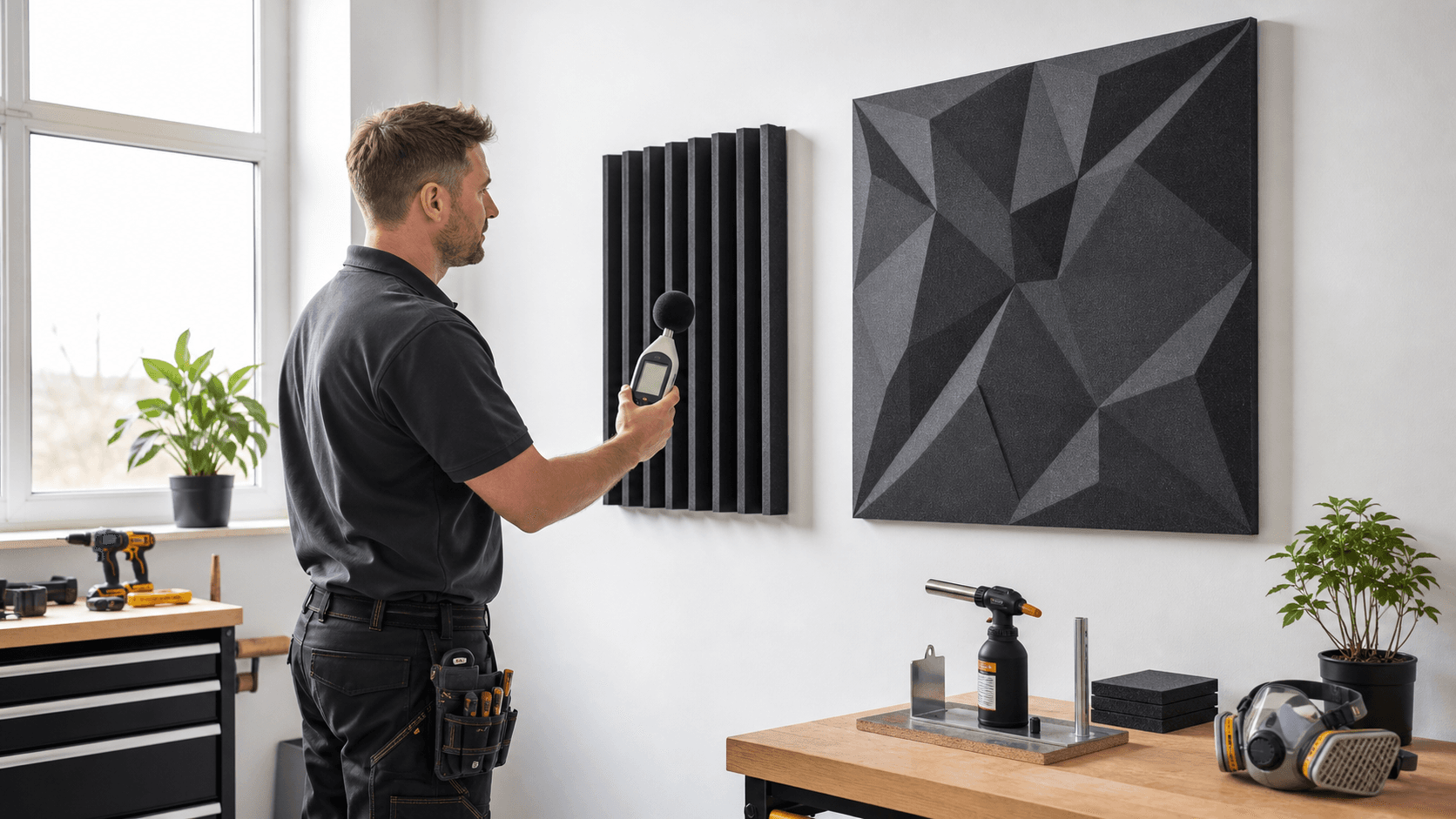
One of the biggest misunderstandings is the idea that any acoustic wall panel will work in any space. Different panels are built for different frequency ranges and for different tasks, so picking by colour alone is a quick way to end up with a room that still sounds odd.
Broadly, panels sit in three main groups:
- Absorption panels, which soak up sound reflections to reduce echo and flutter
- Diffusers, which scatter sound so it stays lively but more even
- Bass control products, such as bass traps, which target lower frequencies that build up in corners
A small podcast room with a hard floor and bare walls will need very different treatment to a large home cinema or a live room for instruments. Things like:
- Room size and shape
- Ceiling height
- Wall and floor finishes
- How loud the room is used and what for
all change the type, thickness and placement of panels you should use.
If you buy only based on looks or the lowest price, you can end up with:
- A studio that still sounds boxy because mid and low frequencies were not treated
- A meeting room that feels muffled because the panels are too absorbent and in the wrong spots
- A cinema that is boomy in the corners because there is is no real bass control
Good panels show performance data, such as absorption across different frequencies. Paying attention to that, as well as layout, gives you a room that works, not just a room that looks treated.
Why Acoustic Wall Panels Are Not Soundproofing
Another very common assumption is that acoustic wall panels will stop sound getting in or out of a room. They will not. Panels are great for tidying up sound inside the room, but they are not soundproofing.
It helps to keep this simple idea in mind:
- Absorption is about controlling reflections inside the space
- Soundproofing is about blocking sound between spaces
Wall panels mainly deal with the first one. They cut echo, tame ringy high frequencies and help speech sound clearer. What they cannot do on their own is stop the TV next door, the kick drum in your studio, or office noise travelling through walls, floors or ceilings.
Effective sound isolation needs:
- Mass, to make it harder for sound to move the structure
- Decoupling, so surfaces are not directly connected and energy cannot pass so easily
- Airtightness, so sound does not slip through gaps and cracks
If your main worry is annoying neighbours or being disturbed by others, you will need proper soundproofing products as well as room treatment. This is especially important as nights get longer and we spend more evenings on late films, gaming or music.
For many rooms, the sweet spot is a mix of both: isolation in the structure where needed, then acoustic wall panels inside to make the sound in the room clear and pleasant.
Over-Treating Walls While Ignoring the Rest
A lot of people focus on the walls and forget everything else. Wall panels are important, but they are only part of the picture. Sound does not care that a panel looks nice; it cares about surfaces.
Key areas that often get missed:
- First reflection points on the side walls and ceiling
- The floor finish, especially if it is hard and reflective
- Large bare surfaces like windows and doors
If you cover every wall in thick absorption and ignore the rest, you can end up with a room that feels dull and lifeless. This is a real risk in creative spaces like music studios or rehearsal rooms, where you want clarity but you also want some natural energy in the sound.
Good balance might mean:
- Using a mix of absorption and diffusion so the room is controlled but not dead
- Adding ceiling clouds or baffles at first reflection points, not just panels on vertical walls
- Using rugs, curtains, and soft furniture to support the acoustic treatment rather than replace it
The aim is not to kill all reverberation, it is to stop the unhelpful reflections while keeping a sense of space that fits how the room is used.
Style Over Substance in Modern Panel Choices
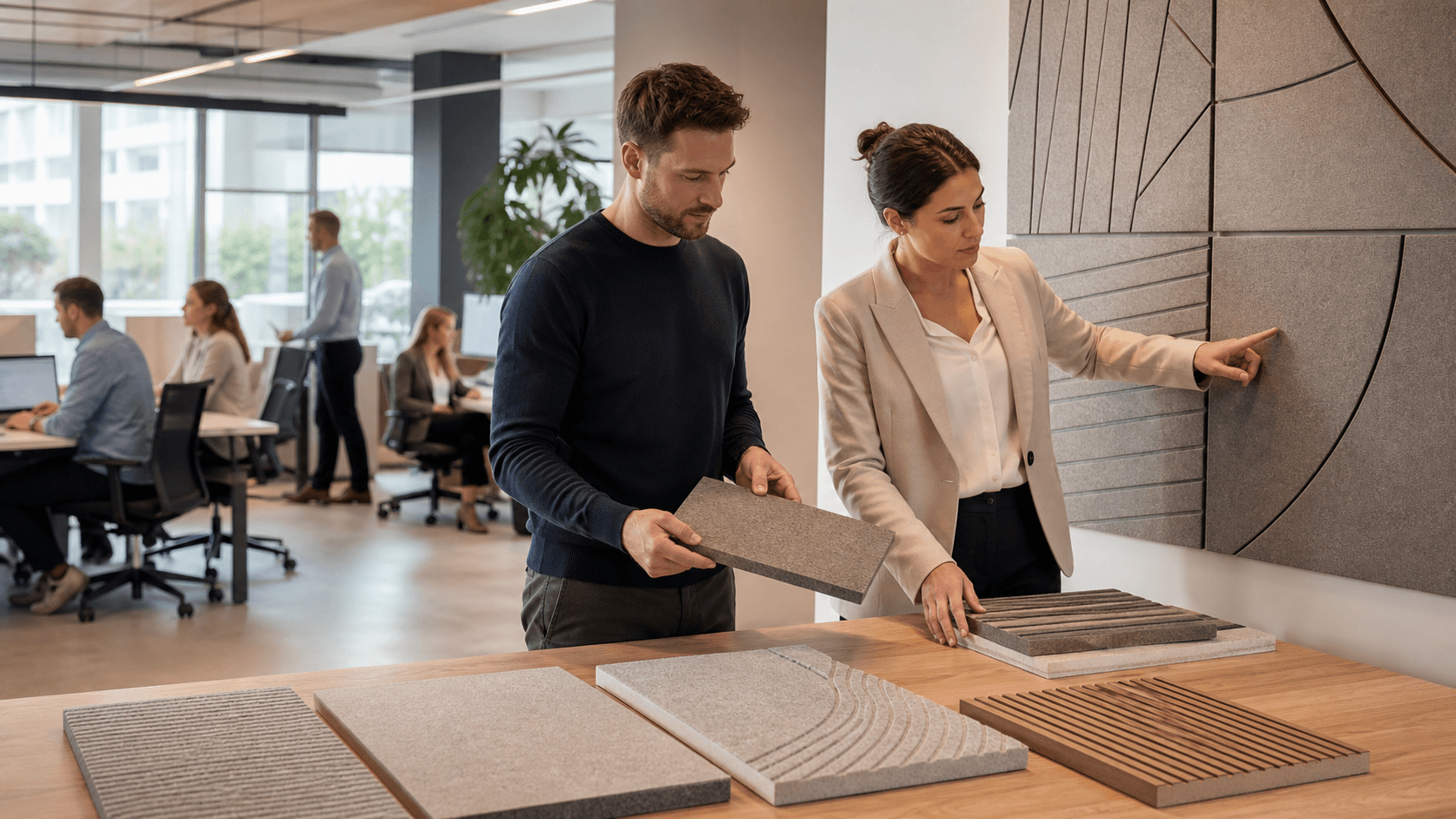
Decorative acoustic wall panels are very popular now. They look smart, come in striking patterns and colours, and can transform a room design. The catch is that some products that look acoustic do very little for the sound.
When you are comparing panels, the technical details that matter most include:
- Thickness of the panel, which strongly affects how low it can absorb
- Core material, which should be designed for acoustic use
- Mounting depth, meaning the air gap between panel and wall
- Absorption coefficients across different frequency bands
Marketing language might focus on style or broad terms like "sound reducing". The performance data shows what is really going on. If that information is missing or vague, it is worth asking more questions.
The good news is that you do not have to choose between nice interiors and good audio. With some planning, you can:
- Use colour and fabric to tie panels in with your decor
- Create patterns or feature walls with panels while still treating the important spots
- Mix different panel types in the same design so you get both looks and performance
As people refresh rooms for the colder seasons, it is the perfect time to think about how the acoustic layout and the visual layout can work together, not fight each other.
Turning Assumptions Into a Tailored Acoustic Plan
Before buying your next batch of acoustic wall panels, it pays to pause and define what you actually need. Ask simple questions like:
- What is the main purpose of the room?
- What currently annoys you most about the sound?
- Do you also have issues with sound leaving or entering the room?
A clear picture of the space helps too. Basic room measurements, notes on wall and floor finishes, and a few photos give an expert a lot to work with. Real advice based on your room will always beat a generic guide or a quick social media tip.
At Advanced Acoustics in the UK, we manufacture and supply acoustic treatment and soundproofing products for studios, offices, home cinemas, and a wide range of commercial spaces. When those common assumptions about acoustic wall panels are stripped away, what is left is a simple idea: every room is different, and the most satisfying results come from a plan that is tailored to your space, your ears and the way you live and work.
Get Started With Your Project Today
Transform the sound and feel of your space with our high performance acoustic wall panels designed for homes, studios and workplaces. At Advanced Acoustics we will help you choose the right solution to improve clarity, comfort and overall sound quality. If you would like tailored advice for your room, simply contact us and we will guide you through every stage of your project.