Multi-purpose rooms are great for flexibility, but all that flexibility can also bring noise. These are the spaces used from morning to evening for everything from meetings to workshops to casual chats. That active use means sound travels, bounces, and lingers. Without proper treatment, it often gets in the way of focus and calm.
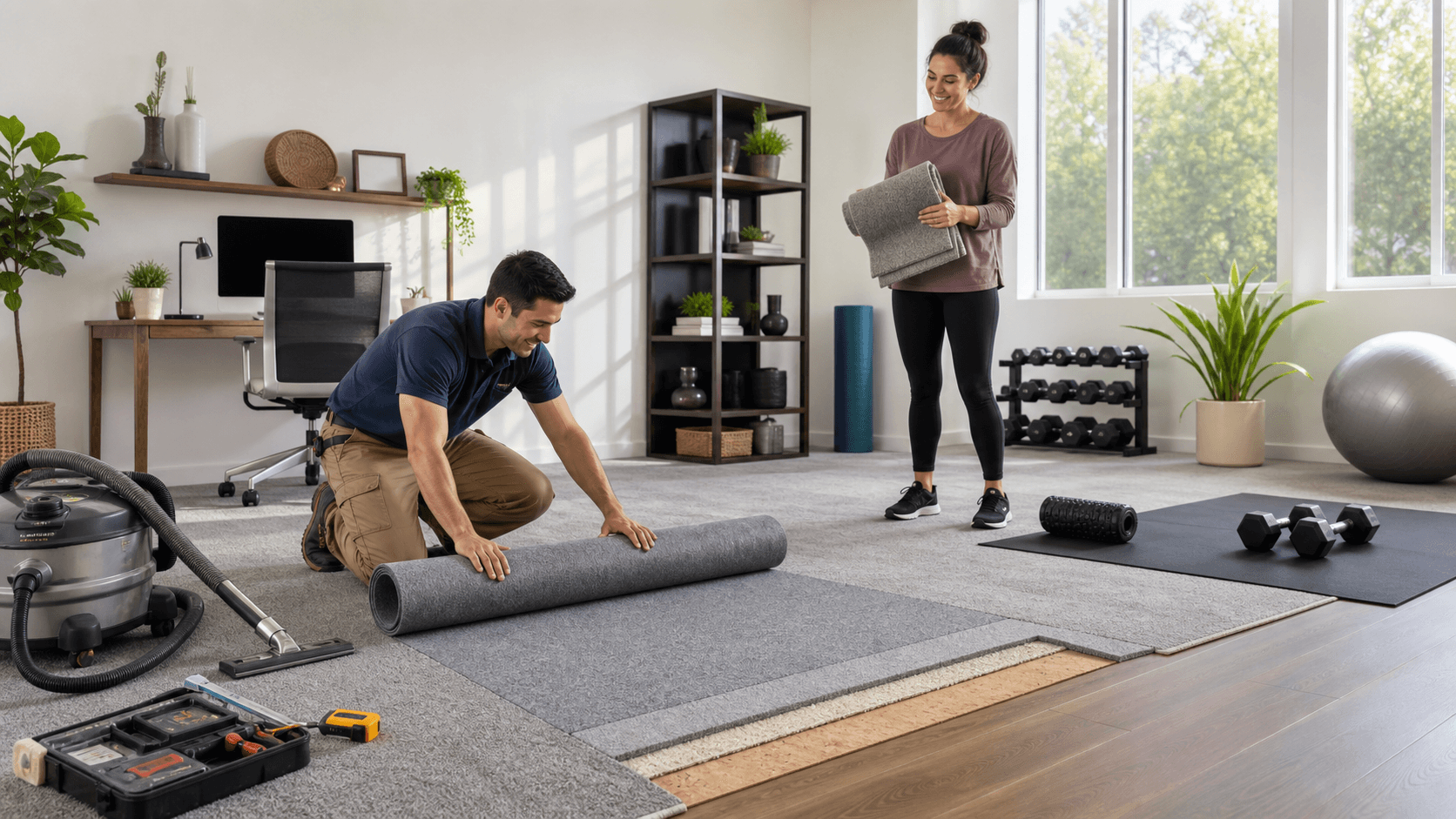
One way we deal with that is by using acoustic carpet underlayment. It goes beneath the carpet and helps cushion sound before it spreads around the room. That is a big plus anywhere noise tends to build up through the day. We like it especially for rooms that get rearranged often or have lots of foot traffic. Whether you are managing a shared office or a split classroom space, this solution can help keep the atmosphere balanced.
Why Multi-Purpose Rooms Need Something Extra for Sound
These rooms are made to do many things in one place, which means the setup is always changing. You might have it set for group work in the morning, a seminar mid-day, and quiet desk time by afternoon.
The tricky part is that the same furniture and layout do not always work for all of those activities, especially when it comes to noise. Chairs slide, people move about, and voices carry easily. Hard, flat surfaces only make that worse by bouncing the sound right back into the space. So even if the volume is not loud, the echo builds up and makes the room feel busy.
That kind of invisible noise can be just as distracting as a loud conversation. It takes more energy to focus or hear properly, especially when seating positions and equipment change throughout the day. Softening the sound early helps ease that build-up.
What Acoustic Carpet Underlayment Actually Does
This underlayment sits underneath the carpet layer and works by soaking up vibrations from above. It softens the contact when people walk, shift chairs, or roll carts across the room. Instead of those sounds hitting the floor and bouncing upward, they get caught and reduced right at the impact point.
It also helps control airborne sound, which is the noise that moves through the air rather than through materials. By reducing both types, the material gives the room a quieter base to work from.
Different types of underlayment use different materials, but we often use foam-based ones that suit rooms with steady use and variable layouts. The texture, thickness, and density all play a part in how well it handles different kinds of noise. And it is all tucked out of sight once the carpet is in place.
Where It Makes the Most Difference
Some rooms feel the gap more than others. These solutions work best in places like:
- Meeting rooms where conversation goes back and forth across a long table
- Open-plan offices where desks shift or temporary screens are common
- Classrooms that hold both discussion and silent reading or testing
- Training areas or libraries with mobile furniture or shared surfaces
These types of spaces rarely keep the same setup every week. Some even swap between partitions or open seating based on who is using the room. That movement brings more sound, and often, less wall space for long-term treatments. Underlayment helps capture it from the ground up.
Why Flooring Treatments Still Matter with Good Ceiling or Wall Panels
Wall and ceiling panels play a big role in helping a room sound better, especially when they are placed close to talking or movement. They absorb sound from the sides or above, stopping it before it turns into heavy reverb.
But even with those in place, there is still the sound that comes in from underneath. Footsteps, rolling chairs, and rolling equipment start at the floor and often slip past upper panels.
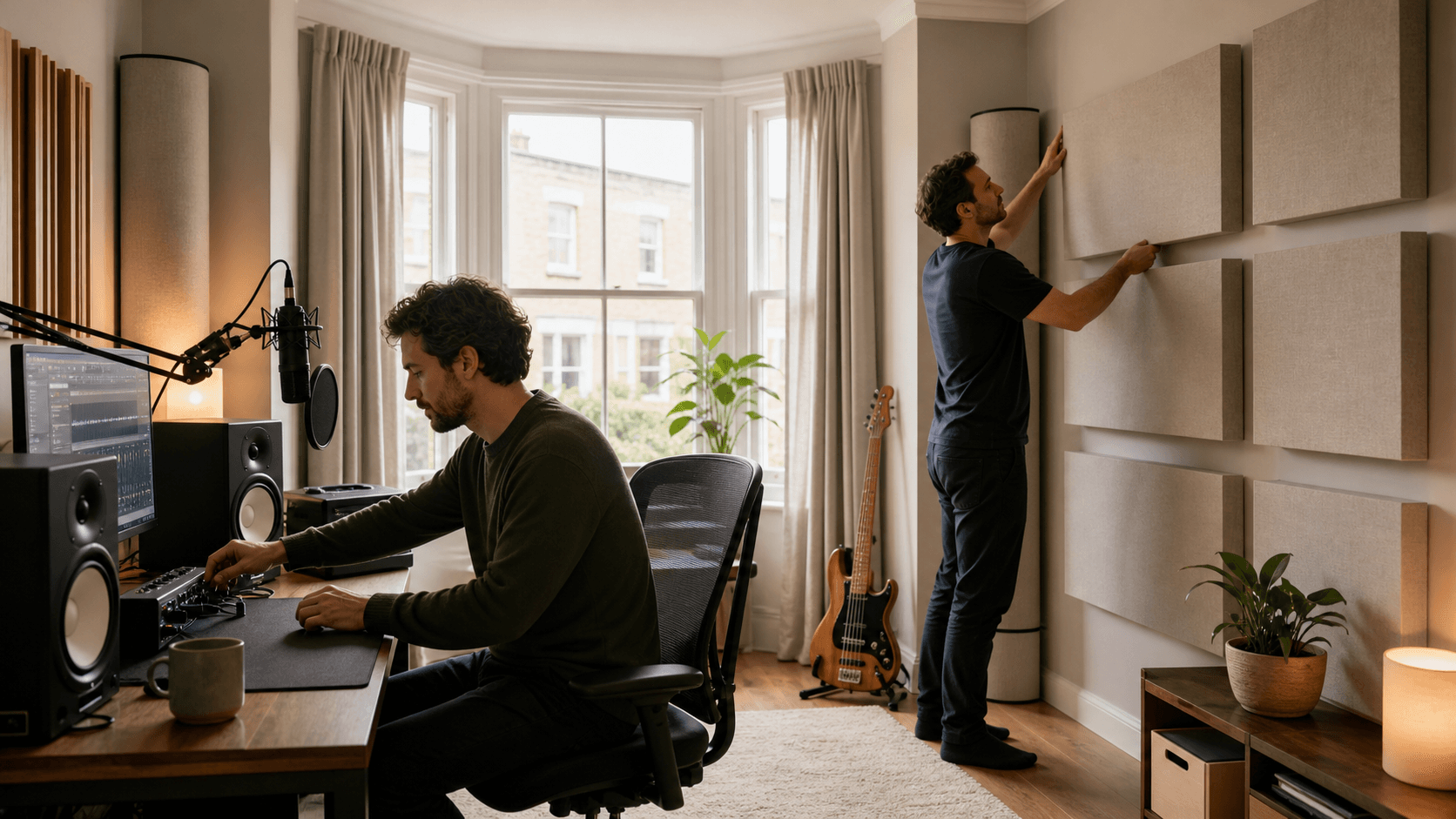
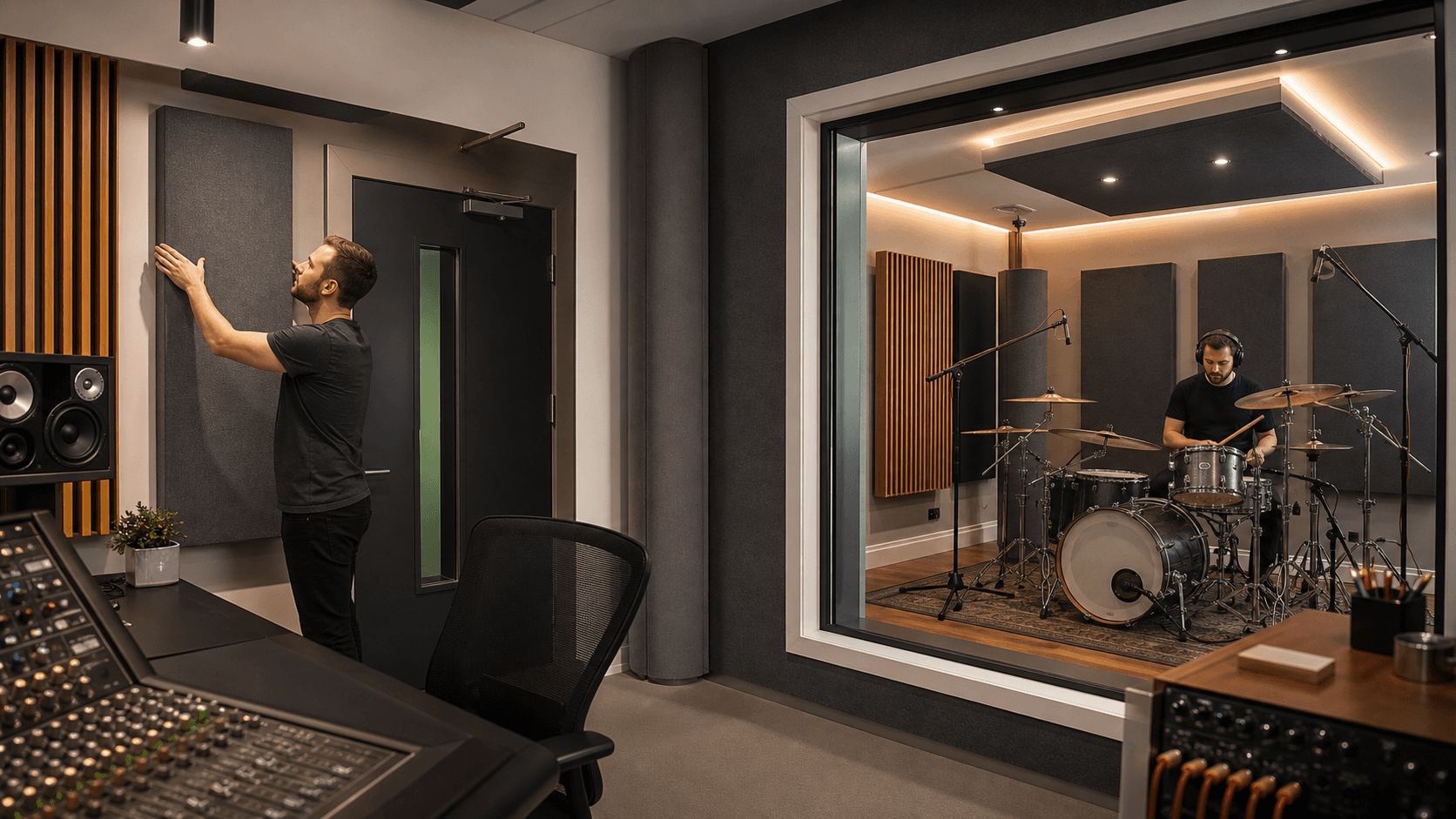
Using underlayment in tandem with wall-mounted acoustic foam panels means you are catching those sounds before they travel far. That double layer of softening, one at the floor, one by head height, makes the acoustic treatment more balanced. Sound gets caught sooner and more evenly across the room.
Planning Around the Rest of the Room Setup
To make the most of floor-based acoustic treatment, we tend to look at how the room is arranged. Simple changes in layout can either help or block the effect.
Here are a few ways to get more from the underlay setup:
- Keep larger open spaces nearer the carpeted zones
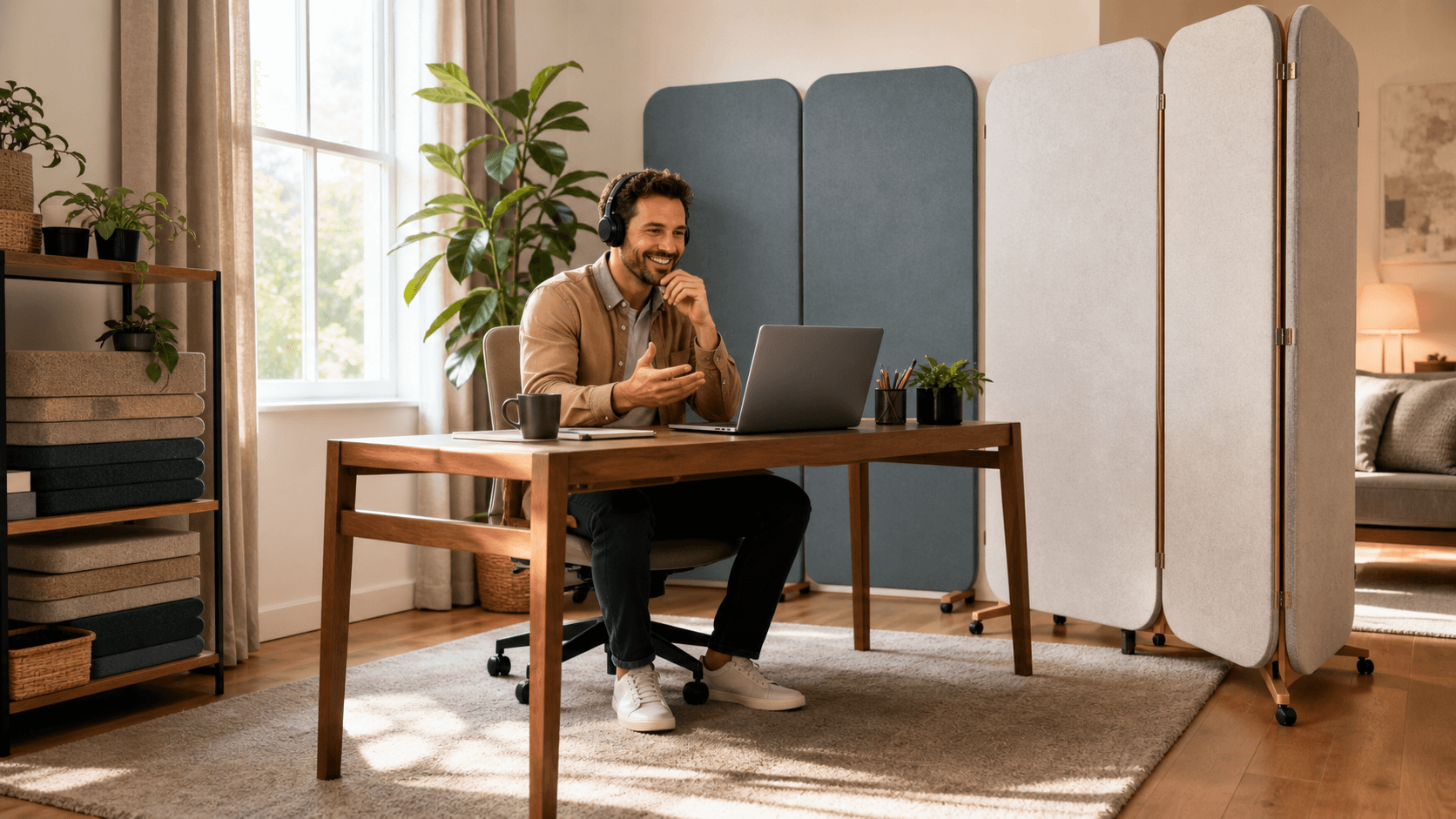
- Use curtains or soft panels near the walls to stop reflections
- Place heavier equipment or rolling furniture on protective mats near doorways
- Let fixed panels handle voice-level sound, while the flooring softens the foot-level movements
Some layout details change with time of year too. More daylight means more in-person activity, so rooms feel busier by early summer. Furniture moves more often and shared use increases. Having flexible acoustic materials beneath the surface keeps the room feeling settled without needing visual change.
Clearer Sound, Calmer Space
When footsteps, moving chairs, and voices fill the space every few hours, rooms can start to feel noisy even if the volume is not high. That background sound stays active unless there is something to catch it early on.
Acoustic carpet underlayment handles that by working quietly in the background. It softens the base layer of sound so everything feels more manageable from the ground up. Pairing that with thoughtful wall and ceiling panels lets the whole room share the load.
Multi-purpose rooms do not need to sound messy just because they function differently every day. With the right layers, they can stay flexible without letting the noise take over.
When planning a noise control upgrade from the ground up, starting with the floor often makes a big difference as foot-level sound can infiltrate every activity, particularly in rooms used for meetings, learning, or adaptable work setups. Our experience at Advanced Acoustics shows that combining the right underlay with wall panels creates smoother, quieter, and more versatile spaces. Browse our full range of acoustic carpet underlayment options to find the perfect fit for your space and contact us for expert assistance in planning your ideal configuration.