Stop Wasting Money on Ineffective Studio Foam
Good acoustic foam can make a room clearer, calmer and easier to work in. Bad foam can do almost nothing at all, apart from looking the part in photos. If you are getting a studio, podcast room or home cinema ready for the busy autumn season, the difference really matters.
Many people buy the cheapest studio foam they can find online. It looks similar, comes in fun shapes and colours, and promises a lot. Then, when recording starts, the room still sounds boxy and harsh. We want to help you avoid that. We will walk through the real, measurable differences between cheap and premium foam, and share a simple DIY test you can try before you cover every wall.
What NRC Really Tells You About Acoustic Foam
NRC stands for Noise Reduction Coefficient. In plain terms, it is a number that says how much sound a material absorbs. A higher NRC means more of the sound energy goes into the foam and less bounces back into the room.
With studio foam, you will often see different NRC values:
- Thin, light, cheap foam may have a low NRC, especially at mid and high frequencies
- Thicker, denser, properly made foam usually has a higher NRC rating
- The shape and open-cell structure affect how well the foam actually works
Two pieces of foam can look almost the same online but behave very differently on your wall. The right density and the way the cells are formed inside the foam help sound move in, bounce around and lose energy as heat. If the foam is too closed or too soft, sound simply reflects off or passes straight through.
NRC is helpful, but it is not the whole story. It is an average across a small range of frequencies, and rooms rarely have problems that are average. Studios and offices often struggle with:
- Speech clarity, typically in the mid range
- Sharp, tiring high frequencies
- Boomy low end in corners
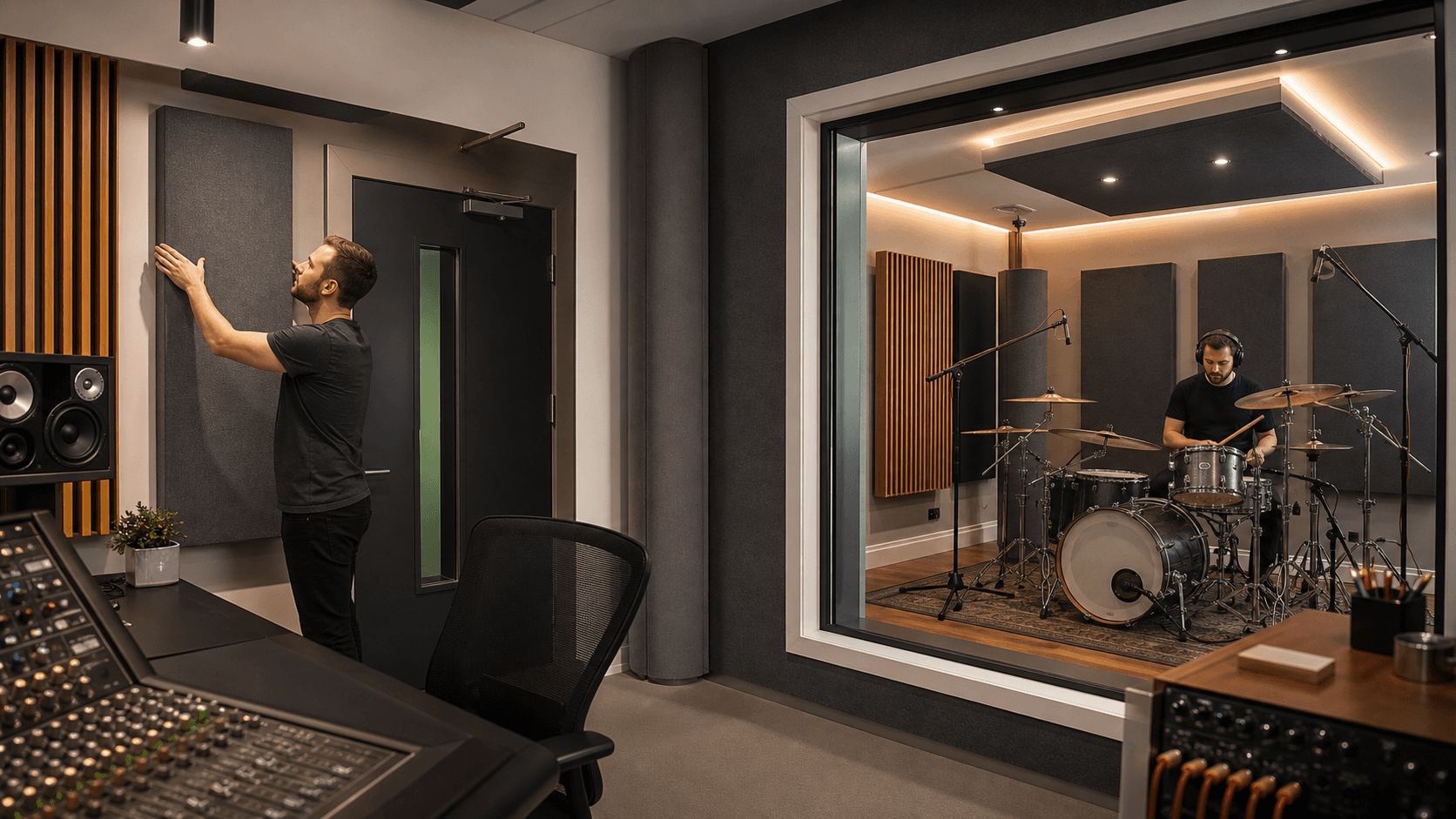
That is why foam is usually part of a full acoustic setup, not the only tool. Proper acoustic panels and bass traps pick up where foam starts to tail off, especially in the lower frequencies. Together they give you a more even, natural sound rather than a dull but still boomy room.
Fire Safety, Off Gassing and Foam Quality
When you line the walls and ceiling of a room with foam, you are adding fuel. Fire safety should never be an afterthought, especially in studios, offices and home cinemas where people spend long hours in the same enclosed space.
In the UK, fire testing and ratings are there for a reason. Foam that has been properly tested to British or European standards comes with documentation to show how it behaves in a fire. Foam that arrives in a plain bag with no information at all is a sign to pause. The colour and the shape tell you nothing about how it will react to heat or a flame.
Off gassing is another big difference between cheap and premium foam. Lower quality products can release strong smells and volatile organic compounds, especially in warm, sealed rooms at the end of summer. Anyone who has unpacked a box of foam and been hit with a sharp chemical odour will know what we mean.
Better controlled manufacturing, like you get with UK made foam, allows for:
- More consistent raw materials
- Proper curing time, so odours can reduce before the foam is sold
- Better control of additives inside the foam
Before you buy, it is worth doing a few simple checks:
- Ask for fire test certificates rather than just a quick claim on a label
- Ask where the foam is made and what type of foam it is
- Treat any "studio foam" with no documentation as a risk for both safety and lifespan
Durability, Sagging and Long Term Value
Good foam should stay where you put it, keep its shape and keep working year after year. Poor foam can start to droop, yellow and crumble much faster than you expect.
Rooms go through a lot. There are temperature swings between late summer heat and colder winter days, a bit of UV from windows or lighting, and the simple pull of gravity on ceiling tiles and wall panels. If the foam is too soft or cut badly, it can:
- Sag away from adhesive points
- Twist or warp on the wall
- Lose its crisp edges and look messy
As foam ages, the cells inside can break down. With low-grade products this can happen quickly, so you start to see dust, flakes and a drop in performance. Once that begins, you end up either living with it or stripping the room and starting again.
When you spread the cost over the number of years the foam actually works, better products often end up cheaper per year. You avoid:
- Doing the same job twice
- Extra decorating or repainting
- Recording time lost while you fix the room
That is why long term durability is so important, especially for busy studios and home cinemas that see use all year round.
A Simple DIY Absorption Test You Can Try at Home
You do not need lab gear to get a feel for how foam behaves. A simple listening test can tell you a lot before you commit to a full studio refit.
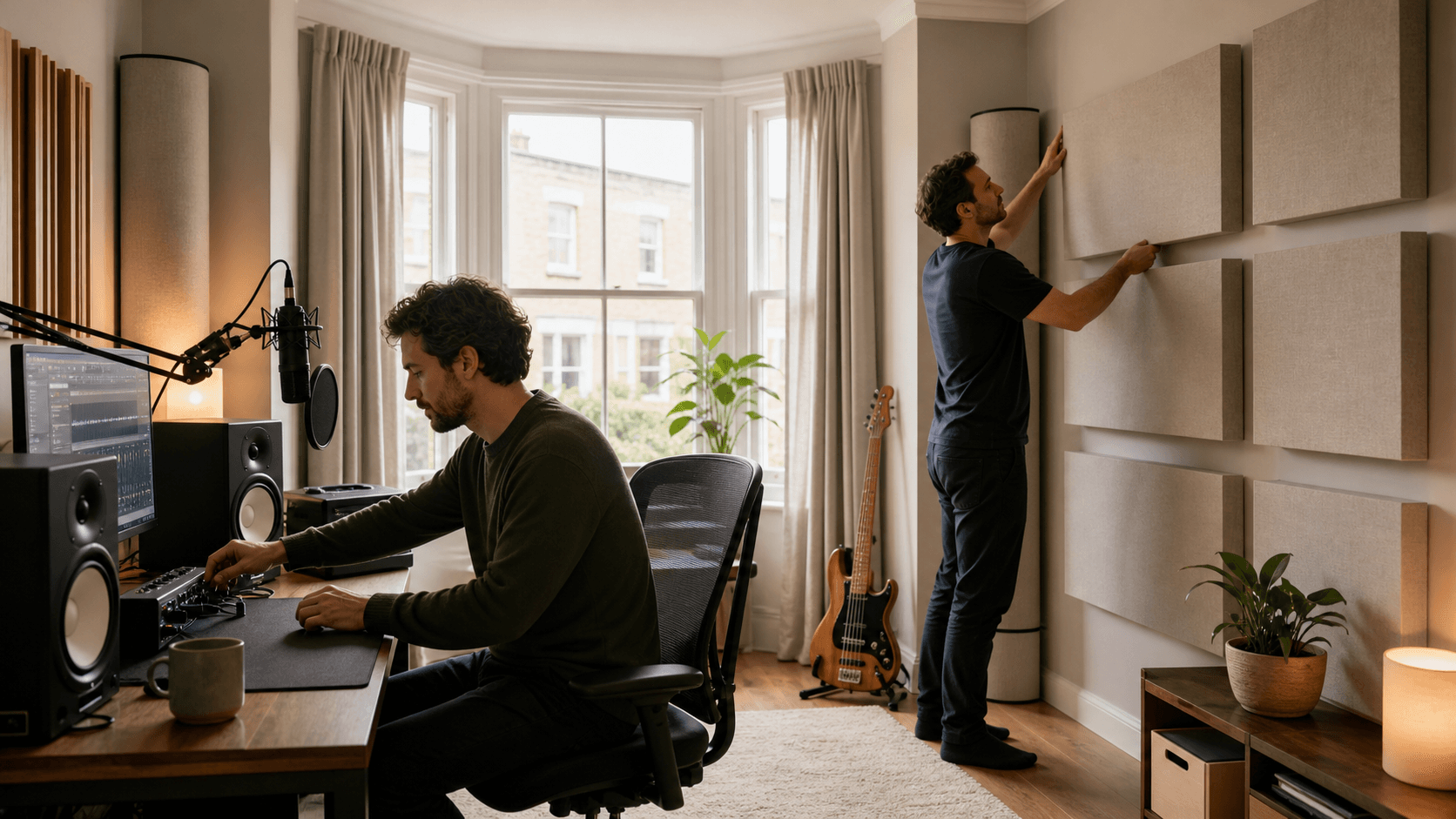
Start with a nearly finished room, with speakers and a basic layout in place. Stand roughly where you would sit to work and:
- Clap your hands and listen for flutter echoes between walls
- Speak some clear phrases and listen for boxiness or ringing
- Play familiar music at a normal level
Then, temporarily tape or lean a few foam panels at the main reflection points, for example:
- Side walls next to your listening position
- The wall behind your speakers
- Room corners to see how the low end feels
Repeat the same claps, speech and music. Pay attention to changes in:
- The length of the echo tail
- Sharp high frequencies that seem to bite at your ears
- Mid range "honk" that makes voices sound like they are in a barrel
If you want to go a step further, you can:
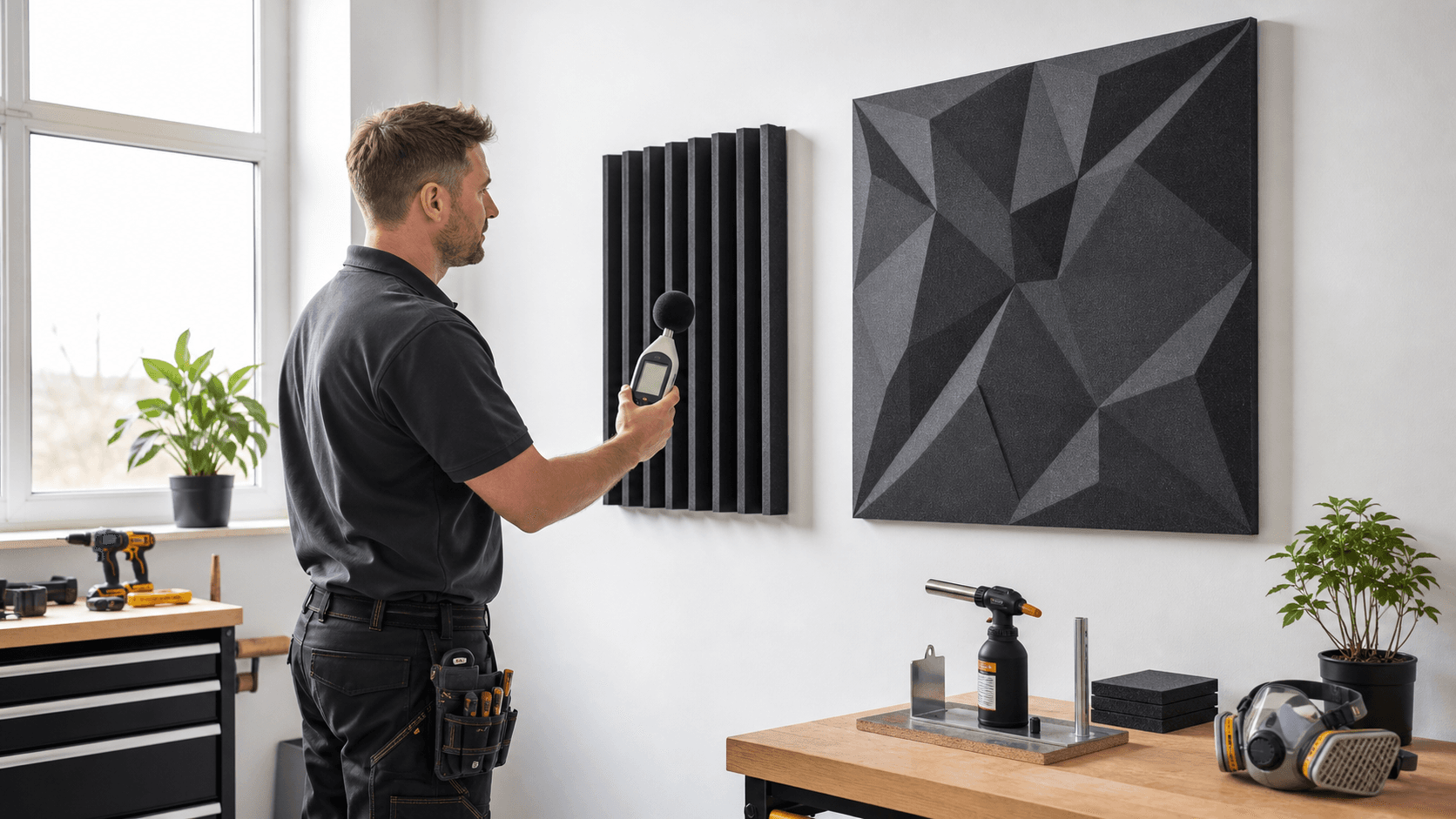
- Use a simple smartphone app that measures decay time
- Try a basic measurement mic and free software to see frequency response
You are not trying to get lab perfect numbers. You are simply comparing how different foam samples affect the room. If a piece of foam makes almost no change at all, that tells you something important before you buy a full box.
Choose Tested Foam and Treat Your Room with Confidence
When you are judging studio foam, there are a few key things to look for every time: clear NRC data, proper fire rating, low odour and a track record of staying in shape. All of these are signs that the foam has been made with care, not just cut to look like studio treatment.
Ordering a small sample kit or a handful of starter panels is a smart way to begin. You can try them on your walls, run the DIY checks in your own room and adjust the layout before you fit a full system. With good foam, acoustic panels and bass traps working together, you can step into autumn recording with a room that supports what you do instead of fighting against it.
At Advanced Acoustics here in the UK, we design and supply acoustic treatment and soundproofing with this real-world use in mind. We are always happy to offer technical support so your studio, office or home cinema sounds clear, controlled and ready for whatever you throw at it.
Get Started With Your Project Today
If you are ready to improve the sound quality of your space, our high performance studio foam is designed to give you reliable, consistent results. At Advanced Acoustics, we can help you choose the right products to suit your room, budget and goals. If you would like tailored advice or have specific requirements, simply contact us and we will be happy to discuss your project in detail.