Introduction
Open-plan offices can be great for collaboration, but they come with one big drawback: noise. When there's little to absorb sound, even normal daily tasks can turn into distractions. From phones ringing to chairs scraping floors, everything carries, and echoes bounce from wall to wall.
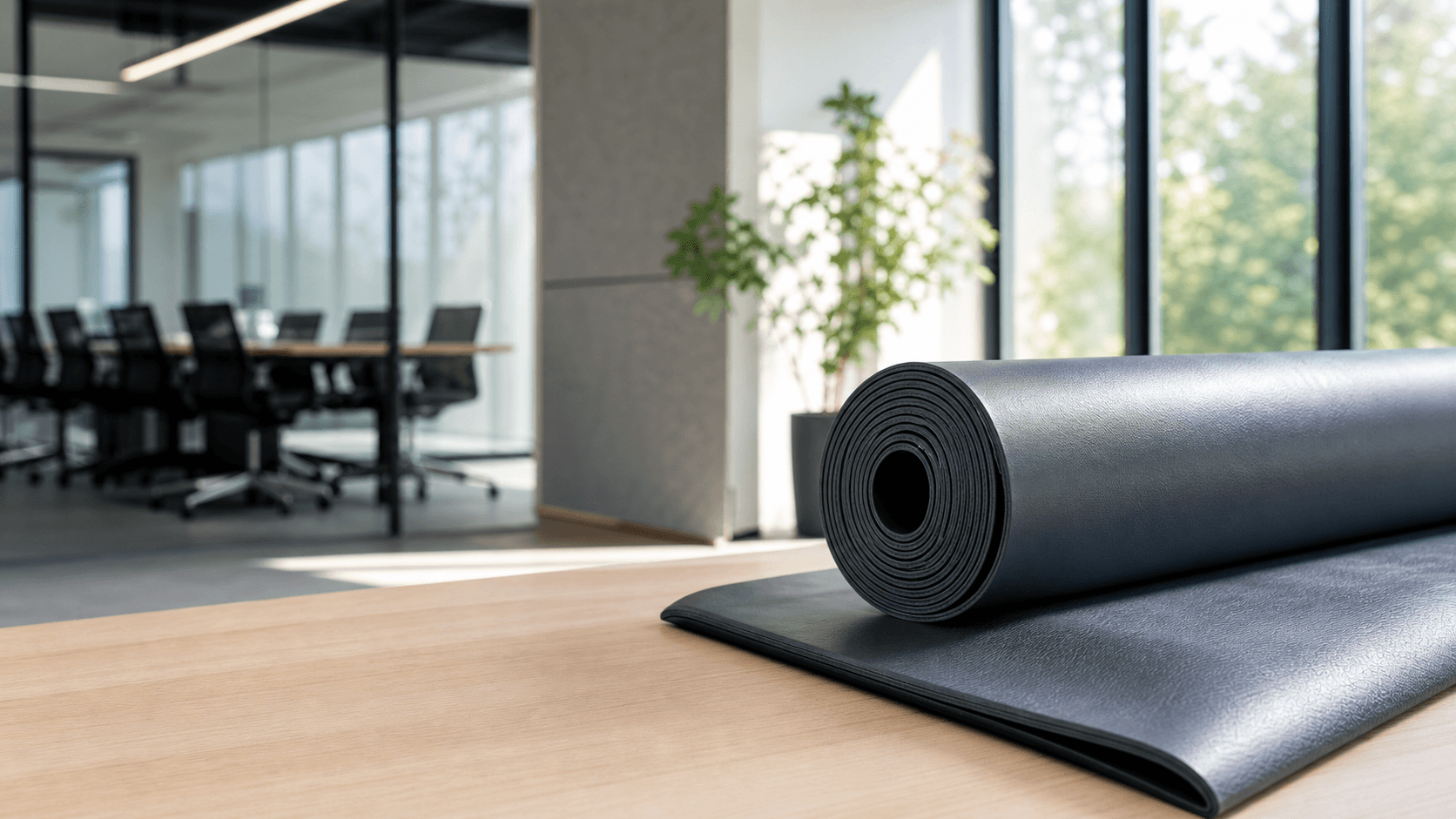
That is where mass loaded vinyl can make a real difference. This dense, flexible material helps block sound by adding weight and structure to lightweight walls and floors. When applied correctly alongside office acoustic panels or foam panels, it brings more control without needing a full refit. That means less background noise and better focus for everyone.
As spring rolls into summer, this is a good time to think about making things quieter and more comfortable. A few smart updates now could change how your office sounds all year round.
The Problem with Noise in Office Environments
Modern offices are quick to get noisy, especially with design trends that favor open spaces and smooth finishes. While these layouts might look tidy, they often miss a key element of comfort: sound control.
There are a few common reasons why offices start to feel noisy:
- Hard flooring, like vinyl or laminate, reflects sound rather than absorbing it
- Conversations from meetings and phone calls spread through shared areas
- Even small sounds, like clicking pens or coffee cups on desks, become more noticeable in rooms with echo
When everything is bouncing around without boundaries, it becomes tough to focus or even carry a private conversation. Those background sounds build up and gradually chip away at productivity. It might not be obvious at first, but by day's end, it's easy to feel drained just from trying to concentrate.
What Mass Loaded Vinyl Does for Sound Control
Mass loaded vinyl stands out because of its weight and flexibility. While foam is designed to absorb sound within a room, mass loaded vinyl acts as a dense barrier, stopping sound from passing between rooms or up through floors. This makes it highly effective in office environments where keeping sound in, or out, of certain areas matters.
Here's what mass loaded vinyl helps with:
- Blocks airborne sound like voices and machine hum
- Reduces structure-borne noise such as foot traffic or rolling chairs
- Adds critical mass to lightweight walls to prevent sound transfer
The key is layering. One material rarely solves everything. When mass loaded vinyl is installed correctly behind the wall surface, it creates a solid core that limits how far noise can travel. That extra layer helps separate work zones, protects quiet spaces, and reduces daily distractions.
Where Mass Loaded Vinyl Fits in the Office Layout
To be effective, mass loaded vinyl requires specific installation methods and works best on lightweight structures like timber stud or metal stud walls. It is not intended for use on solid brick or concrete. Furthermore, a wall must be completely covered with MLV from edge to edge to effectively block sound.
Some of the most common placement options include:
- Behind plasterboard on lightweight walls, ensuring 100% coverage to stop noise transmission
- Beneath an acoustic underlay on floors, reducing impact noise between levels
- Inside ceilings before the final plasterboard finish is applied
It blends in neatly and does the job quietly. Because it is installed behind the visible finishes, you maintain your office's aesthetic design while achieving excellent noise management.
How It Improves the Use of Acoustic Foam Panels
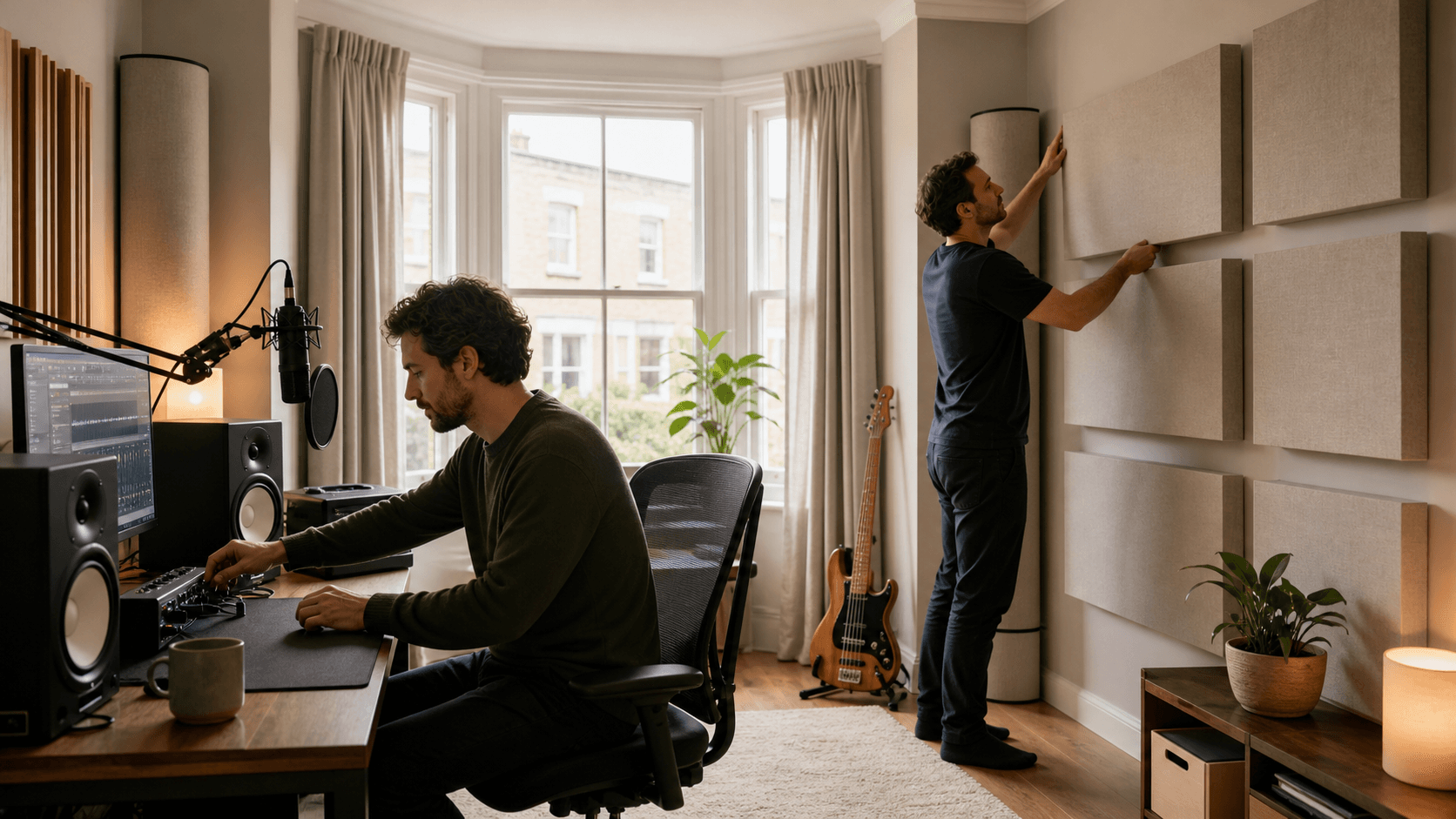
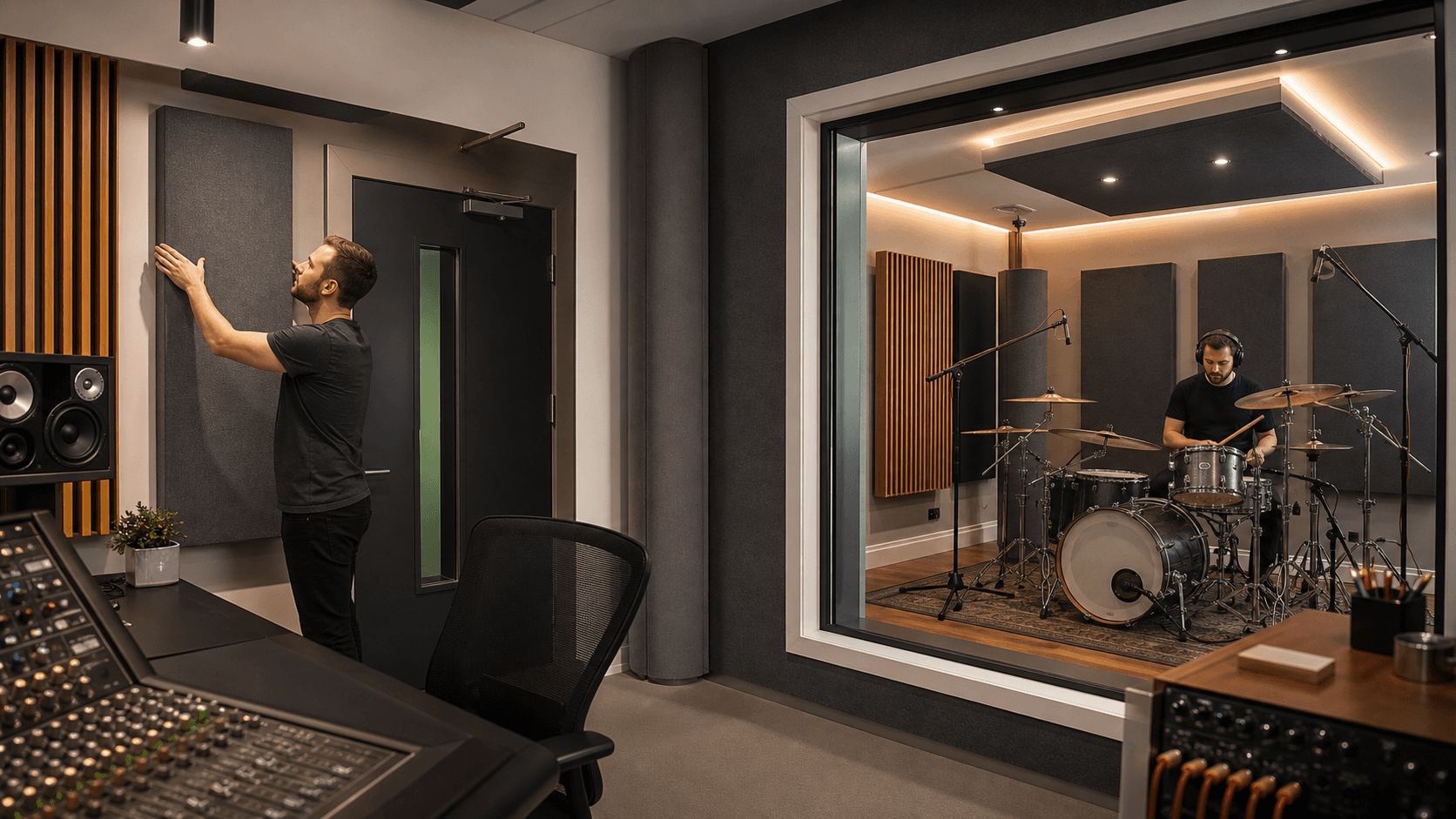
Acoustic foam panels are great for handling echo inside a room. They soften the space and reduce sharp sounds. Because they are meant to treat internal acoustics, mass loaded vinyl is the necessary companion to handle the transmission of noise between rooms.
The process follows a specific, highly effective sequence:
- Step 1: The lightweight stud wall or ceiling is completely treated with mass loaded vinyl.
- Step 2: Plasterboard is installed directly over the MLV to finish the wall.
- Step 3: The room is then treated for reverberation and echo by mounting office acoustic panels or foam panels to the finished surface.
Together, they create a complete sound strategy that handles both internal reflection and external transmission at once. This pairing is especially useful in offices with shared zones or meeting rooms that need to feel private and secure.
Sound Comfort That Lasts All Year
Office needs change from season to season. Staff may spread out during summer breaks, then return in groups as new projects start up. That fluctuation comes with shifts in noise levels and how spaces are used from week to week.
Even with those changes, a quieter environment always works better. People settle in more easily. Conversations flow without disruption. Deep focus becomes easier for everyone involved.
Mass loaded vinyl brings lasting benefits here. It is fixed in place, needs little to no upkeep, and works well throughout the year. Whether it is supporting the spring to summer shift or preparing your space for peak use again in autumn, thoughtful sound management helps staff feel confident and clear-headed in the space they're in.
In summary, combining these soundproofing techniques creates an environment that is both productive and calm. Enhanced acoustic performance makes a significant difference in the daily work experience. Proper planning and installation reward you with consistently reduced noise levels, resulting in fewer distractions and improved concentration for all employees.
Reducing unwanted sound in your workplace is key to creating a comfortable environment, and we can help shape a setup that works all year round. Adding the right materials in the right places makes a big difference to how spaces feel, especially in shared environments. One proven option for layered sound control is mass loaded vinyl, which can be combined with acoustic foam panels and mounted panels for even stronger results. At Advanced Acoustics, we take a practical, materials-first approach to managing noise. Give us a call to discuss what will work best for your space.